
The Hidden Risks in Ageing Water Tanks—and How Advanced Inspection Solves Them
Ageing water tanks often appear structurally sound from the outside—but beneath the surface, hidden risks can develop that threaten performance, safety, and asset longevity. Without proactive tank inspection and water tank testing, these issues can go unnoticed until they result in leaks, structural damage, or costly downtime.
This is where modern inspection methods—especially robotic tank inspection—are transforming how asset owners detect, manage, and prevent failure.
The Problem with Ageing Water Tanks
Over time, all water storage assets are exposed to environmental, operational, and structural stresses. Even well-maintained tanks can develop underlying issues such as:
- Foundation movement and uneven settlement
- Corrosion of structural components
- Breakdown of protective coatings
- Internal liner degradation
- Undetected leaks and water quality issues
Individually, these may seem minor. But combined, they create a compounding risk that can significantly reduce the service life of a tank.
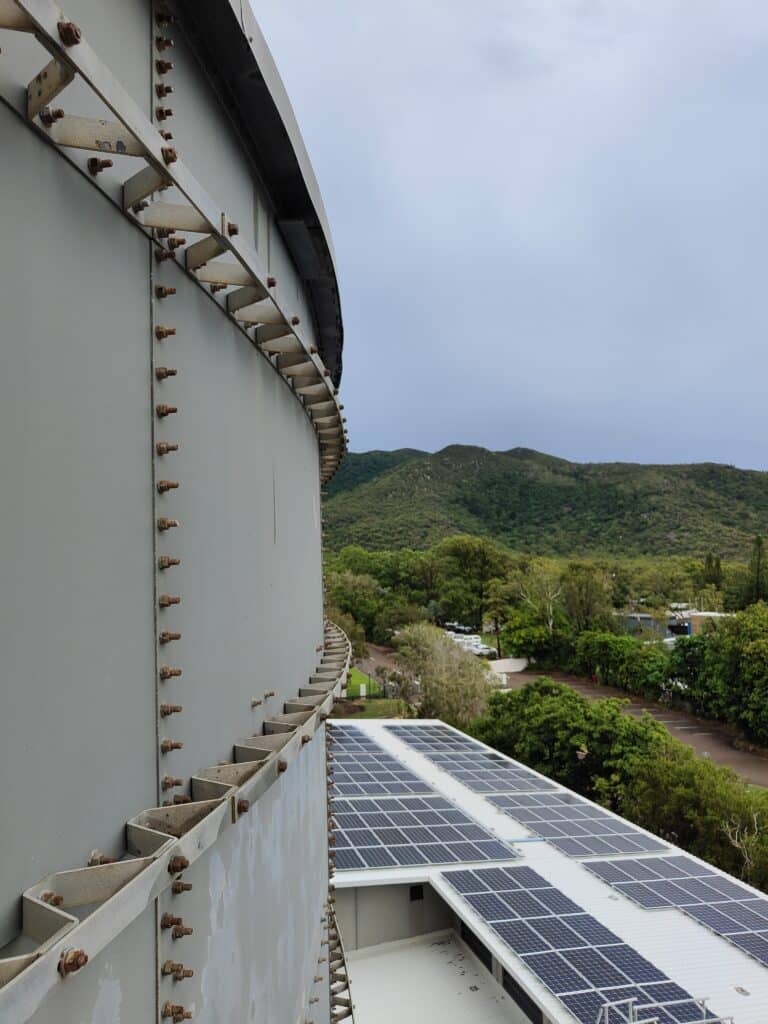
We Are Committed to Extending The Life of Your Tank!
Why Traditional Inspection Isn’t Always Enough
Conventional water tank testing methods often rely on periodic visual inspections or shutdown-based assessments. While valuable, these approaches can:
- Miss early-stage deterioration
- Require costly operational downtime
- Limit visibility inside the tank
- Fail to capture how multiple issues interact
To truly understand asset condition, a more comprehensive and data-driven approach is required.
Years Inspecting Water Tanks
Visibility Achievable with robotic tank inspection
Inspection Can reveal hidden defects
A Smarter Approach: Advanced Tank Inspection
By integrating multiple inspection techniques, asset owners can gain a complete picture of tank health.
Comprehensive Water Tank Testing
Modern water tank testing goes beyond basic checks. It includes:
- Ultrasonic thickness testing to assess material loss
- Structural analysis to evaluate load capacity
- Settlement surveys to detect foundation movement
This allows engineers to identify not just current condition—but future risk.
Robotic Tank Inspection: Seeing What Others Can’t
One of the most significant advancements in recent years is robotic tank inspection.
Using remotely operated vehicles (ROVs), inspections can be carried out internally without draining the tank. This provides:
- Real-time internal condition data
- Identification of liner deterioration and defects
- Detection of leak sources and corrosion zones
- Safer, faster inspections with minimal disruption
Even in challenging conditions, robotic systems deliver insights that traditional methods often miss.
What Advanced Inspections Reveal
When modern tank inspection methods are applied, a more complete—and often more concerning—picture emerges.
Common findings in ageing tanks include:
Structural Movement
Differential settlement can cause subtle tilting, leading to:
- Uneven load distribution
- Increased stress on tank floors and walls
- Long-term risk of distortion and fatigue
Corrosion and Material Degradation
Corrosion often develops in critical areas such as:
- Base angles and connection points
- Bolts and fasteners
- Panel edges where moisture accumulates
While not always immediately critical, this degradation reduces long-term structural reliability.
Leakage and Operational Inefficiencies
Undetected leaks are one of the most common and costly issues.
They can:
- Increase operating costs
- Reduce system efficiency
- Promote corrosion and internal damage
- Compromise water quality
Coating and Liner Failure
Protective systems are essential—but they don’t last forever.
- Coatings can flake or delaminate, exposing steel
- Internal liners can degrade, leading to leakage and contamination
These failures often accelerate other forms of deterioration.
The Real Risk: When Problems Combine
The biggest threat usually isn’t a single defect—it’s how multiple issues interact.
For example:
- Foundation movement increases stress
- Corrosion weakens structural components
- Coating failure accelerates material loss
- Leaks introduce moisture and contaminants
Together, these create a cycle of deterioration that can rapidly escalate if not addressed.
Turning Insight Into Action
The real value of advanced water tank testing and robotic tank inspection lies in what comes next: informed decision-making.
With accurate, detailed data, asset owners can:
- Prioritise critical repairs before failure occurs
- Replace or upgrade internal liners at the right time
- Treat and prevent corrosion effectively
- Address structural concerns early
- Implement targeted maintenance programs
This shifts maintenance from reactive to proactive—reducing risk and cost over time.
Extending Asset Life Through Smarter Inspection
Ageing infrastructure doesn’t have to mean failing infrastructure.
By investing in modern tank inspection strategies, organisations can:
- Extend the operational life of their assets
- Improve safety and reliability
- Minimise downtime and disruption
- Optimise maintenance budgets
The Future of Water Tank Inspection
As technology continues to evolve, robotic tank inspection is becoming the standard for critical infrastructure assessment. When combined with advanced water tank testing, it provides a powerful toolkit for managing ageing assets with confidence.
Final Thoughts
The hidden risks in ageing water tanks are often only revealed through detailed, integrated inspection. What appears to be a minor issue today can become a major failure tomorrow without the right insights.
Advanced tank inspection, supported by robotic tank inspection and comprehensive water tank testing, ensures those risks are identified early—and managed effectively.
Concerned about hidden risks in your water tank?
Contact our team today to book a comprehensive tank inspection and get clear, actionable insights—before small issues become costly failures.